How do truck accident lawyers handle fleet accident management cases?
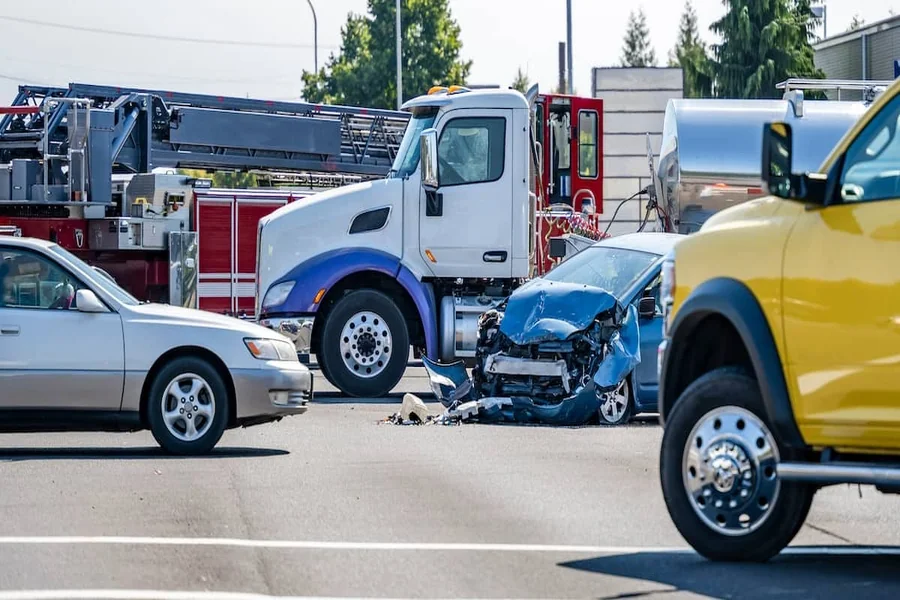

Fleet truck accidents create legal puzzles that take real expertise to solve. When commercial vehicles cause injuries, the fleet accident management process comes under intense legal scrutiny. Lawyers handling these cases don’t just look at what happened on the road. They examine company practices, driver backgrounds, and whether the business cut corners on safety. The complexity multiplies because several parties might share blame.
Understanding the Impact of Atlanta Truck Accidents
Atlanta truck accidents can cause devastating consequences due to the massive size and weight of commercial vehicles. Victims often face serious injuries, emotional trauma, and financial burdens that can last for years. In such situations, it’s important to stay informed and take the right steps after an accident. Learning more about Atlanta truck accidents can help you understand your legal rights and the options available for pursuing compensation.
Legal Support After Atlanta Truck Accidents
Dealing with the aftermath of Atlanta truck accidents can be overwhelming, especially when insurance companies attempt to reduce or deny claims. Seeking proper legal assistance ensures that your case is handled professionally from start to finish. An experienced attorney can investigate the accident, gather evidence, and negotiate on your behalf to secure fair compensation. With the right support, you can focus on recovery while your legal team works to protect your interests.
Gathering what companies hide
Trucking companies start damage control fast after their vehicles crash. Lawyers know this. That’s why evidence preservation letters go out immediately, sometimes the same day they take a case. These letters have teeth. They legally require companies to freeze everything related to the accident. What needs preserving? The wrecked truck, obviously. But also electronic logging device data, which tracks driver hours and vehicle speed. Maintenance logs that show whether the company kept up with repairs or skipped them. Driver qualification files. Training records. Even text messages between dispatchers and drivers. Companies would rather these documents disappear, but preservation orders prevent that.
Accident reconstruction experts get involved early. They photograph skid marks, measure road conditions, and analyse vehicle damage patterns. Black box data from the truck reveals precisely what happened in those final seconds before impact. Was the driver speeding? Did they brake? How long had they been driving without rest?
Digging into driver backgrounds
- Personnel files tell important stories. Lawyers request complete employment records for the driver involved. What they find sometimes shocks everyone. Drivers with multiple accidents on their records. Expired commercial licenses. Failed drug tests that got ignored. Previous employers who warned about safety issues.
- Companies have a duty to screen drivers properly before hiring them. When they skip background checks or hire someone with a terrible driving history, that creates employer liability. The same goes for training. Federal regulations require specific training for commercial drivers. If companies don’t document this training, they’ve failed their legal obligations.
Medical certification matters too. Commercial drivers need current medical cards to prove their physical fitness. Medical records that are expired or falsified expose you to additional liability.
Pushing companies toward settlements
Solid evidence changes everything during settlement talks. When lawyers present airtight proof of liability plus documentation of serious injuries, trucking companies face harsh realities. There is always some uncertainty when it comes to jury verdicts, and they are often much higher than settlements. Profits overshadow safety, and businesses do not want publicity.
- Damage calculations need precision. Bills for medical treatment, loss of income, cost of future treatment, and diminished earning capacity. Pain and suffering valuations. Expert witnesses provide opinions backing these numbers. A well-crafted demand package lays out all the evidence, all the damages, making the company’s exposure crystal clear.
- Timing creates leverage. Approaching deadlines, scheduled depositions of company executives, and looming trial dates. These pressure points make companies more willing to negotiate seriously. Some cases settle within months. Others drag on because companies’ lowball offers or dispute injury severity.
Experienced attorneys know when clients need quick money for medical bills versus when waiting produces better compensation. They balance these competing needs while keeping pressure on defendants throughout negotiations. Lawyers handling fleet collision cases combine detective work with legal knowledge, building cases that hold corporations accountable when their vehicles cause serious harm to others.