
Scratch that. You’ve definitely had your hazard lights blinking and engine running while you’re out of your driver’s seat for “just a minute” to pick up something from a nearby store. In New York, parking in that scenario barely registers as risky. It’s just part of how the city works.
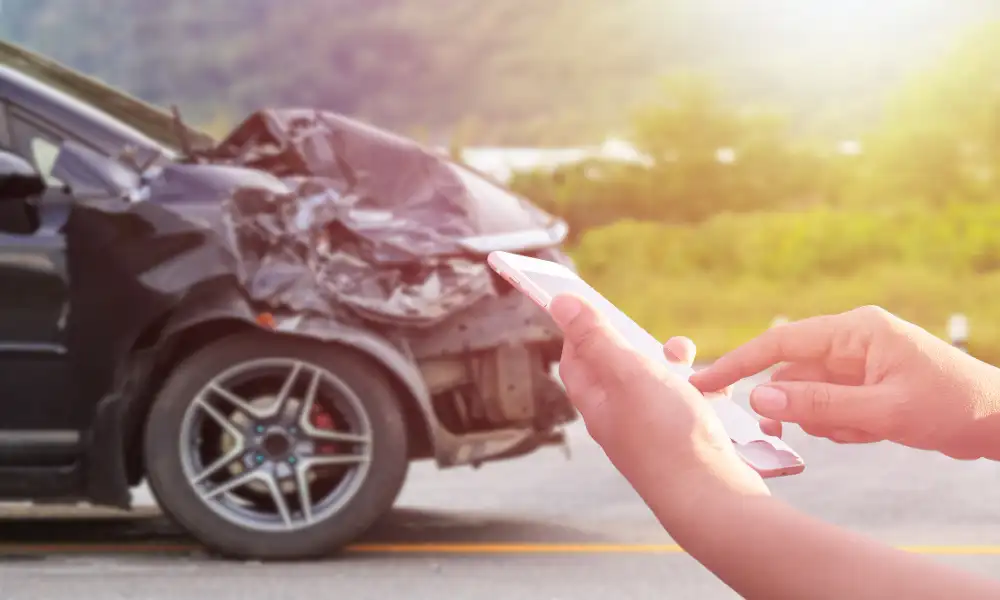
However, some of the most common accidents in NYC happen while parking or pretending to park. When such an accident occurs, involving a Bronx car accident lawyer is the wisest option to navigate the legal aftermath.
Parking in NYC Isn’t a Break From Driving
Most drivers treat parking like a break from driving. Your shoulders drop, and focus fades. The car kind of feels “out of play” despite it still sitting in a live lane.
But NYC streets don’t give you that luxury. A parked or semi-parked car still influences the traffic flow around it. It narrows lanes and blocks sightlines, forcing decisions from everyone else in a hurry on how to navigate past your vehicle.
That blurred line between moving and parked vehicles is where trouble sneaks in.
The Hazard Lights Myth
Turning on hazard lights has become NYC’s unofficial way of just leaving their car for a moment to go grab something from a store. They flash, and suddenly anything feels permitted, be it double-parking, standing in bike lanes, or blocking a hydrant.
Hazard lights don’t make a situation safer. While they announce a problem, they don’t solve it. Drivers behind you still have to merge. Cyclists still have to swerve. Pedestrians still step around doors that may open at any second.
When someone misjudges that moment, accidents follow.
Same City, Different Parking Styles
Parking culture and risks change depending on where you are.
In the Bronx, wide streets invite bigger vehicles. Delivery trucks compete with cars for curb space, and drivers often pull out quickly to beat traffic. Those sudden merges around parked vehicles cause side-swipes and rear-end collisions, which is why some drivers end up calling a Bronx car accident lawyer after a parking-related crash.
Queens has long residential blocks and blind pull-outs. Cars reverse, hoping for a gap to magically appear, while oncoming drivers underestimate how fast they’re approaching. These slow-motion miscalculations lead to disputes that end up landing on the desk of a Queens car accident lawyer when fault isn’t obvious, and the legal aftermath needs an expert to take care of it.
Brooklyn is known for parallel parking, its bike lanes, and nightlife crowds. Door openings here are a real hazard, leading to cyclists clipping doors and cars braking hard. One small action turns into a chain reaction, and drivers have to seek help from a Brooklyn car accident lawyer to sort out what really happened.
Doorings and Domino Effects
Opening a car door in the middle of a busy street is always a recipe for disaster. Doing so can cause a cyclist to swerve and a driver to brake, resulting in another car tapping a bumper. And all the pedestrians are left wondering what is going on.
Parking-related incidents often involve multiple parties and conflicting stories. Due to the speeds being low, people assume the damage or the risk is low, too. That assumption causes more problems than the accident itself.
Why Parking Accidents Feel “Too Small” to Matter
NYC drivers are famous for brushing things off, be it a light scrape or a cracked side mirror.
But parking accidents carry a different kind of weight. There are insurance questions, disputes over who was moving, cyclists injured without obvious damage, and passengers who feel pain hours later.
Low speed doesn’t mean low impact, so casual reactions don’t protect you later.
Smarter Parking Habits That Reduce Risk
Being aware is the key to staying safe, so these habits make a difference:
- Check mirrors before opening doors every time.
- Avoid stopping in active lanes, even briefly.
- Pull closer to the curb than you think you need.
- Watch bike lanes like you’d watch traffic lanes.
Treat parking like the final phase of driving, not the end of it.
Conclusion
NYC streets work because people anticipate one another. Parking culture disrupts that anticipation when drivers mentally clock out too early.
The city doesn’t pause when you stop your car. When drivers respect that and stay present for those last few seconds, accidents become less likely.